• About Us
  • Leadership
  • Operations
  • Responsibility
  • Investor Relations
  • News
  • Owner Relations
  • Careers
  • Contact

Operations

From Wellhead to Water

The Journey of Natural Gas

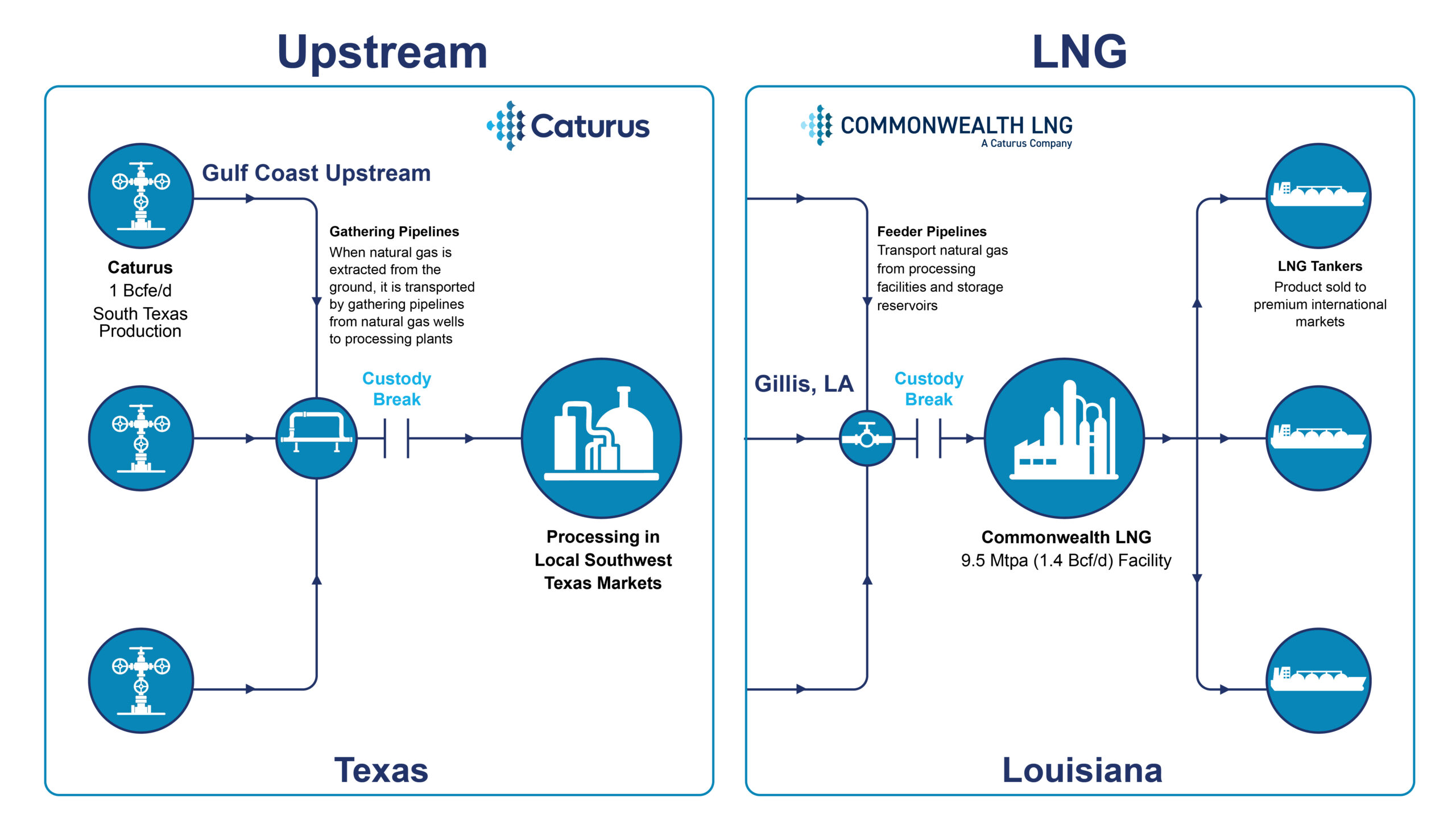
The Caturus integrated strategy for managing the natural gas value chain involves coordinating all stages of natural gas production, processing, transport and distribution. The objective is to maximize efficiency, minimize costs, ensure reliability of supply and respond proactively to market and regulatory changes. 
01

Production: Extraction at the Wellhead

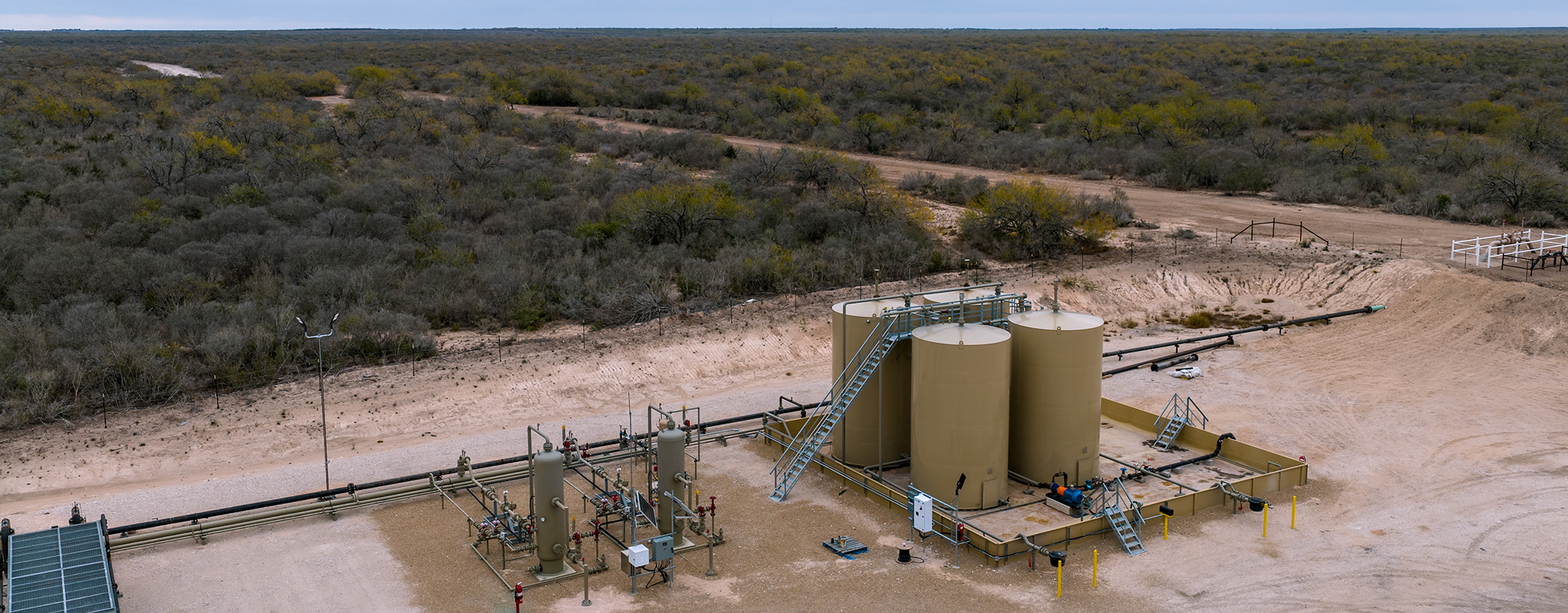
The process starts at the wellhead, where drilling rigs extract natural gas from deep underground reservoirs. Once brought to the surface, the raw gas is gathered for the next step.

02

Processing: Purification and Separation

At processing facilities, natural gas is purified to remove water vapor, hydrogen sulfide, carbon dioxide and other hydrocarbons like ethane, propane and butane. This results in pipeline-quality methane, ready for transportation.

03

Liquefaction: Preparing Gas for Export

For international markets, natural gas undergoes liquefaction—a process that cools the gas to around -162°C, transforming it into liquefied natural gas (LNG). This reduces its volume significantly, making it economical to transport by specialized LNG tankers.

04

Export: Global Delivery via LNG Carriers

Liquefied natural gas is loaded onto double-hulled ships and exported to countries where pipelines are impractical or unavailable.

05

Regasification: Providing Energy to End Users

Upon arrival at import terminals, LNG is converted back into its gaseous state for use in energy applications, enabling efficient transport and distribution of natural gas.
01 / 05

Caturus Operations

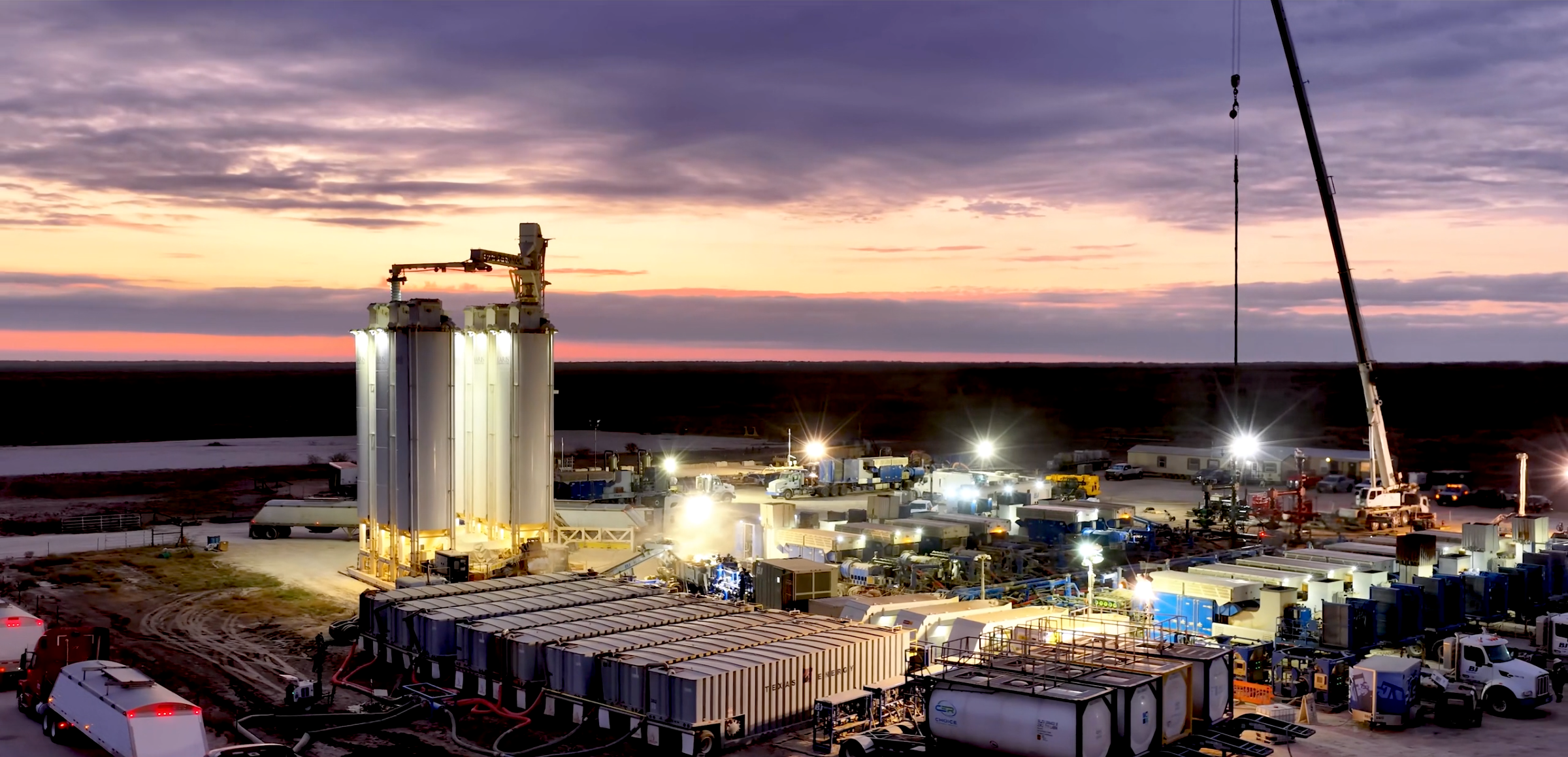
Caturus is recognized for its proven ability to drill long laterals and deep, high-pressure wells in technically complex subsurface environments, particularly within the prolific Eagle Ford and Austin Chalk formations of Texas. We operate a strategic network of infield gathering infrastructure and maintain 1 Bcfe/d of contracted midstream capacity to maximize operational flexibility and provide access to premium markets. This includes 150 miles of installed and operated gathering line that connects to key midstream partners across South Texas. Multiple takeaway options ensure flow and minimizes downtime.

Caturus has demonstrated consistent reduction in well delivery costs through sustainable efficiency gains and commercial advantages.  Further future reductions are/expected to come from optimized well design.

Our industry-leading sustainability strategy focuses on emissions management through robust leak detection and repair program. The Company has obtained MiQ certification to validate that gas is produced responsibly with minimal methane intensity. Consistent monthly tracking of environmental metrics enable accurate sustainability disclosures.

As Caturus has continued scaling daily production, technical modeling by our team identified the need for a more powerful rig to increase drilling certainty and efficiency.  This led to a collaboration with Nabors Industries in developing the PACE-X Ultra™ X33 rig, now deployed by Caturus as the most powerful onshore drilling system currently in the United States. This marks a significant milestone in Caturus’ commitment to safely and efficiently ramping production.

Commonwealth LNG

Commonwealth LNG is developing a 9.5 Mtpa liquefaction and export facility on the west bank of the Calcasieu Ship Channel on the U.S. Gulf Coast near Cameron, Louisiana. The facility will have five 50,000 cubic meter storage tanks and will be able to accommodate vessels up to 216,000 cubic meters. Gas supply is via construction of a 3.0-mile pipeline interconnected to two major pipeline systems with significant excess transportation capacity.

Commonwealth’s engineering-focused approach features a highly modularized methodology, designed to streamline schedule and reduce capital costs.

The advantages of the modular approach are especially important in Southwest Louisiana. The area is the epicenter of U.S. LNG production, so the competition for construction labor and other required resources can be challenging.

Through modularization, Commonwealth can move more than 10 million workhours out of the field and into fabrication shops. This reduces field construction of the Commonwealth project to an average of less than 800 full time equivalent workers per month and less than 2,000 personnel during the peak of construction.

A typical field-built project of similar size would require a peak labor force of 8,000 to 10,000. Reducing the onsite labor force also reduces the strain on the local community’s need for additional police force, temporary infrastructure, and support.

Commonwealth LNG uses inherently safe design principles to ensure that safety remains a top priority from conception through design and execution to operations. Safety begins with each employee’s diligence in adopting a safety mindset – on and off the job. We prioritize safety above all other business goals.

  • LinkedIn

Explore

  • Home
  • About Us
  • Leadership
  • Operations
  • Responsibility
  • Investor Relations
  • News

Resources

  • Owner Relations
  • Careers
  • Contact

Headquarters Office

730 Town & Country Blvd,
Ste 400
Houston, TX 77024, US

E/ [email protected]
T/ +1 713-600-6000

© 2026 Caturus. All Rights Reserved.

Data Use Policy